

Call Us: Booking Support
Chasing Leopards: When to Safari at Yala National Park, Sri Lanka
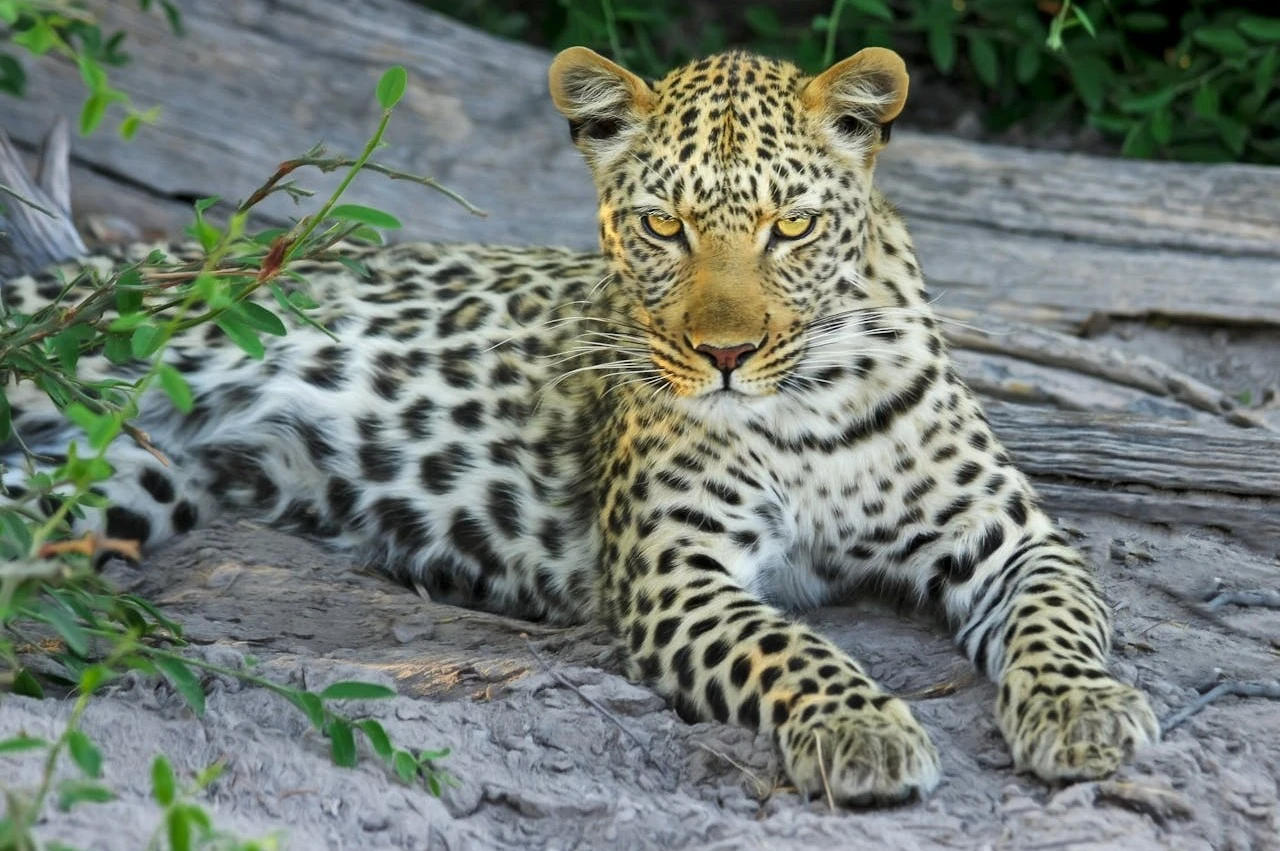
Yala National Park, Sri Lanka’s crown jewel of wildlife, is famed for having the world’s highest density of leopards. But timing your visit is crucial! The park’s weather swings between scorching dry spells and intense monsoons, dramatically affecting animal behavior, visibility, and even accessibility.
Here is your essential guide to Yala’s seasons, helping you plan the ultimate safari adventure.
1. The Peak Safari Season
(February – August, with May to July often considered the best window)
This is widely regarded as the best time for wildlife viewing in Yala, especially for spotting the park’s iconic mammals.
- Leopard & Mammal Sightings: Excellent. As the hot, dry weather causes smaller water sources to dry up, animals (including leopards, elephants, and spotted deer) congregate around the main waterholes and reservoirs. This makes them significantly easier to spot.
- Sloth Bears: May to July is particularly rewarding for spotting the elusive Sloth Bear, as they are drawn out to feast on the seasonal Palu fruit.
- Weather: Hot and dry, with little rainfall. Temperatures range from 26°C to 34°C. The sparse, dry vegetation provides clearer sightlines, making photography easier.
- Crowds: Expect high tourist traffic, particularly during European and local holidays (April, August). Book your safari jeeps and accommodation well in advance.
2. The Annual Closure
(Generally September to mid-October, though dates vary annually)
The most popular sector of the park, Block I (Ruhuna National Park), usually closes for about six weeks during the peak of the dry season.
- Why it Closes: The closure allows the park to rest, recover from tourist impact, conduct maintenance, and ensure the well-being of the animals during a period of extreme drought where water is scarce.
- Alternative Safaris: While Block I is closed, some other blocks within the Yala complex, such as Block V or the adjacent Lunugamvehera National Park, usually remain open. These areas often experience an increase in successful sightings during this time as the wildlife concentrates in the available areas. Always check official dates before booking for September and early October.
3. The Wet Season
(Mid-October – January)
This period marks the arrival of the Northeast Monsoon, transforming the dusty plains into a lush, green wilderness.
- Wildlife Sightings: More challenging. With water abundant everywhere, animals disperse deeper into the newly dense vegetation, making them harder to find. Roads can become muddy and occasionally inaccessible after heavy downpours.
- Birdwatching: Excellent! This is a fantastic time for bird enthusiasts, as Yala welcomes a host of migratory bird species escaping the Central Asian and Himalayan winters, adding rich biodiversity to the park.
- Scenery: The park is at its most beautiful and photogenically green. If you prefer a tranquil, vibrant landscape and are interested in smaller fauna and birds, this is an excellent time to visit with fewer crowds.
- Weather: Heavy rainfall, particularly from mid-October to December. Temperatures are slightly cooler but the humidity is high.
Summary
Which Season is Right for You?
| Goal | Best Time to Visit Yala | What to Expect |
| Leopard Sightings | May – August | Animals gather at waterholes; less vegetation; hottest/driest weather. |
| Sloth Bear Spotting | May – July | Bears are out feeding on Palu fruit; requires patience. |
| Birdwatching & Scenery | November – February | Abundant migratory birds; lush green landscape; high chance of rain. |
| Avoiding Crowds | November – February | Less tourist traffic due to monsoon season and lower sighting guarantees. |
| Park Closure Risk | September – Mid-October | Block I is usually closed for maintenance and drought management. |
Export to Sheets
Ultimately, whether you’re a serious safari enthusiast aiming for that perfect leopard shot or a nature lover seeking the jungle in its most vibrant state, Yala National Park offers a memorable experience year-round—provided you know what each season delivers.