
Call Us: Booking Support
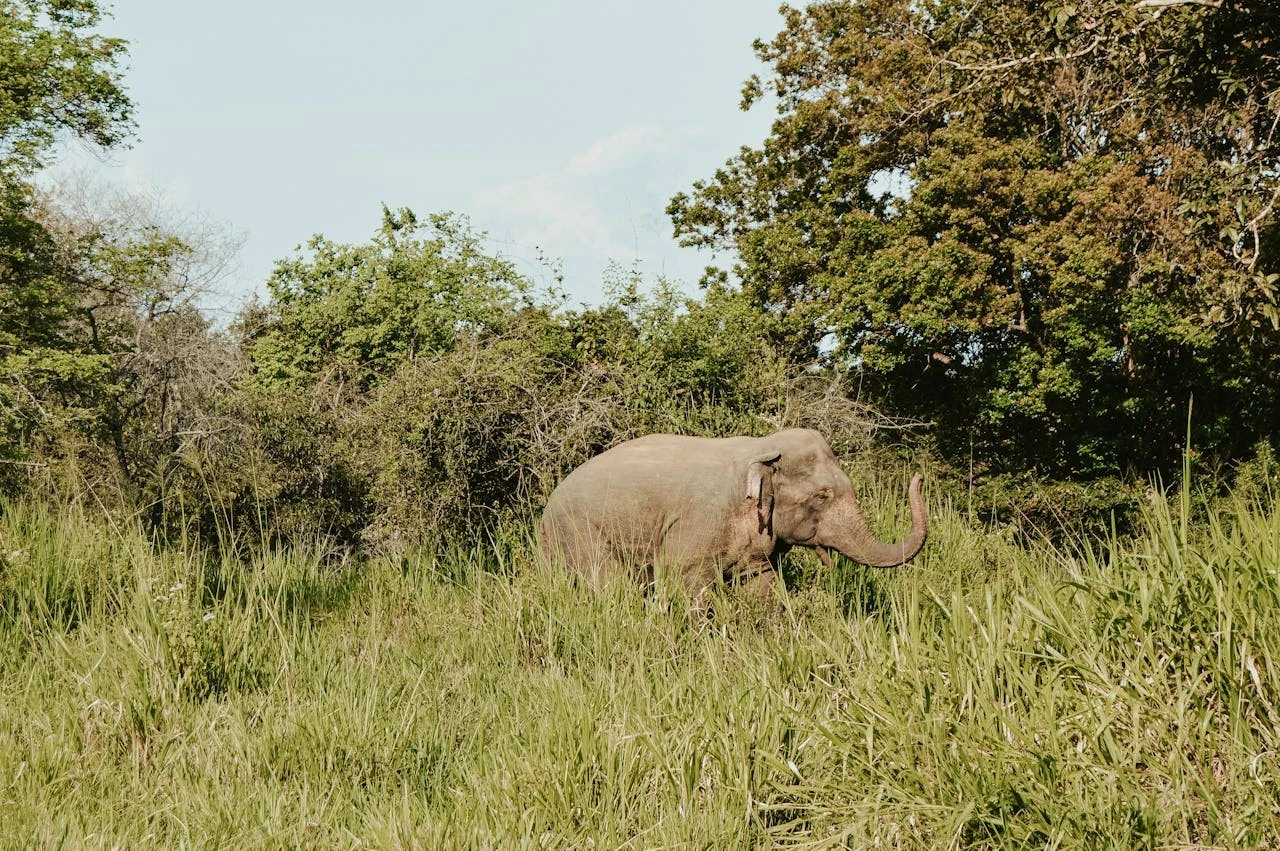
Yala National Park is known globally today for having the world’s highest density of leopards, but its story stretches back far beyond the modern safari jeep. The park is a remarkable blend of ecological significance and deep historical roots, serving as a testament to Sri Lanka’s cultural and natural heritage.
The Ancient Roots: Ruhuna’s Kingdom and Sacred Sites
Long before it was demarcated as a protected area, the land that makes up Yala was central to the ancient Kingdom of Ruhuna (or Ruhunu). This region, in the southeast of Sri Lanka, was one of the island’s three major administrative divisions, established by King Kavantissa around the 2nd century BCE.
The area was dotted with important settlements, and the surrounding jungle played a vital role in sustaining the population. Evidence of this past can be seen in the park today:
- Sithulpawwa Rock Temple: Located within the park’s boundaries, this ancient Buddhist monastery dates back over 2,000 years, serving as a revered place of worship and a hub for hundreds of monks. The ruins are a powerful reminder that this “wild” landscape has been deeply intertwined with human civilization for millennia.
- Magul Maha Viharaya: Another significant ancient ruin located near the park, believed to be the site where King Kavantissa married Princess Viharamahadevi.
The early use of the land was primarily for agriculture and spiritual practices, though it was always recognized for its abundant wildlife.
The Colonial Era: From Hunting Reserve to National Park
The modern history of Yala as a protected zone began during the British colonial period, marking a significant shift in its official designation.
1894: Early Protection Efforts
The first steps toward conservation were taken when parts of the area were declared a game sanctuary. This initial move was aimed at regulating hunting and protecting certain key species, primarily serving the interests of British sportsmen while acknowledging the need to manage wildlife populations.
1900: The Formal Declaration
The British administration officially set aside the area between the Gin Oya and Kumbukkan Oya rivers as a protected area under the Forest Ordinance. This established a more formal structure for conservation.
1938: Elevation to National Park Status
The most pivotal year in Yala’s history was 1938. With the rising tide of conservation and the influence of early environmental activists, the government officially declared what was then known as the Yala Game Sanctuary as a National Park under the Fauna and Flora Protection Ordinance (No. 2 of 1937).
This designation was crucial, transforming the area from a reserve primarily focused on game management into a sanctuary prioritizing the protection and preservation of the entire ecosystem, including all flora and fauna.
Modern Conservation and Challenges
Since its official designation, Yala has grown in fame and faced several major challenges, solidifying its role as a global conservation hotspot.
The Sri Lankan Leopard
Yala’s identity became inextricably linked to the elusive Sri Lankan Leopard. Intensive research and monitoring programs began to reveal the park’s extraordinarily high concentration of this endemic subspecies. This status brought international attention, turning Yala into a must-visit destination.
The 2004 Tsunami Disaster
Yala National Park was tragically hit by the devastating Indian Ocean tsunami on December 26, 2004. The low-lying coastal areas and lagoons were severely impacted, causing significant human loss and environmental destruction.
Remarkably, the wildlife impact was surprisingly low. According to park officials, the animals seemed to have sensed the approaching danger and moved to higher ground before the waves struck—a fascinating example of animal instinct protecting the park’s inhabitants.
The Challenge of Over-Tourism
In recent decades, Yala has grappled with the challenge of over-tourism, particularly around the popular Block I. High visitor numbers, especially during peak seasons, have occasionally led to:
- Crowding at Sightings: Too many jeeps surrounding an animal, causing stress.
- Irresponsible Driving: Drivers speeding or leaving designated tracks in search of a quick sighting.
This is why, at Leopard Yala, our commitment to ethical and responsible tourism is non-negotiable. We recognize that conservation and economic benefit must go hand-in-hand, and we prioritize the well-being of the wildlife above all else.
Yala Today
Today, Yala National Park stands as the second-largest national park in Sri Lanka and the most visited. It remains a crucial ecological stronghold, protecting habitats for large mammals, unique birds, and reptiles.
By visiting Yala responsibly and choosing operators committed to ethical practices—like Leopard Yala—you are not just witnessing history; you are actively contributing to the next chapter of its conservation story.
The ancient stones of Sithulpawwa and the modern roar of the leopard prove that Yala is more than a park; it is a timeless sanctuary where nature and history converge.