
Call Us: Booking Support
How to Pick the Right Safari Block (Block I vs. Block V)
Yala National Park, located on the southeastern coast of Sri Lanka, isn’t just a place to see animals—it’s home to the highest density of Sri Lankan Leopards in the world. But planning a safari here isn’t as simple as driving through one entrance; the park is divided into several sections, or Blocks, each offering a dramatically different experience.
The biggest decision you’ll face is choosing between the famous Block I and the more remote Block V. Here’s a breakdown of the two main tourist zones to help you pick the perfect safari adventure.
Block I: The Leopard Magnet (Ruhuna National Park)
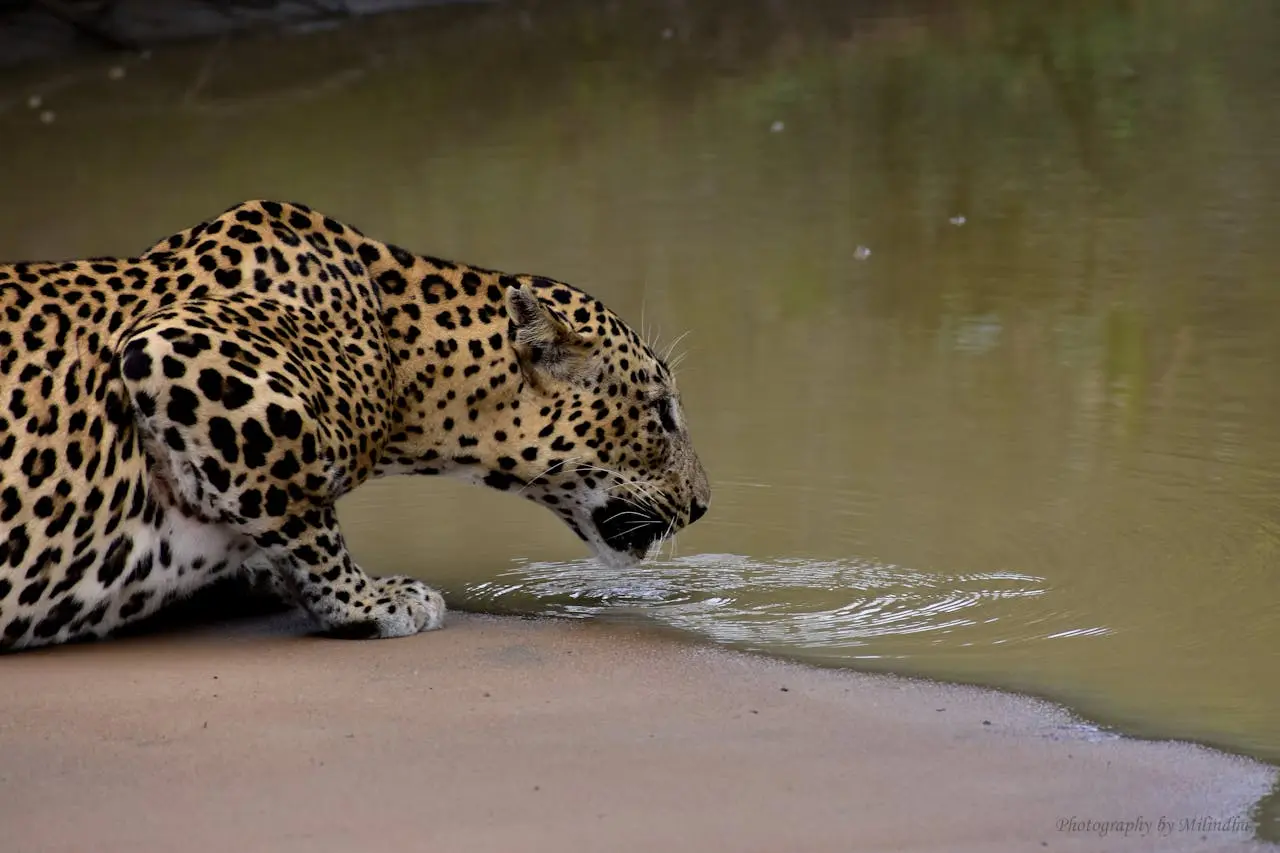
If you’ve seen a photo of a leopard sunning itself on a rock in Yala, it was almost certainly taken in Block I. This is the most popular and accessible section of the park, and for good reason—it’s where your chances of spotting the park’s famous apex predator are highest.
The Good: Leopards, Leopards, Leopards
- Unmatched Density: Block I is the core of Yala’s leopard territory. The animals here are more habituated to jeeps and are frequently seen, often resting on the scrubby plains or rocky outcrops during the day.
- Diverse Habitat: The landscape is stunningly varied, featuring open grasslands, thorny scrub jungle, freshwater tanks (reservoirs), and the coastline, making it excellent for general wildlife viewing.
- High Success Rate: You’re not only likely to see leopards, but also huge water buffalo, spotted deer, wild boars, mugger and saltwater crocodiles, and hundreds of bird species.
The Catch: The Crowd Factor
- Jeep Congestion: Block I’s fame is its double-edged sword. During peak seasons (especially February to July) and prime viewing hours (dawn and dusk), the trails can become crowded. When a leopard is sighted, jeeps rush to the spot, which can sometimes diminish the wild experience.
- The Wait: Be prepared for a line of vehicles at the Palatupana entrance gate right before the park opens at 6:00 AM.
Who should choose Block I?
- First-time safari-goers who want the highest probability of ticking off the “Big Four” (Leopard, Elephant, Sloth Bear, Crocodile).
- Visitors whose primary goal is leopard photography.
Block V: The Peaceful Pioneer (Quieter Wilderness)
For travelers who value solitude over guaranteed sightings, Block V provides a welcome escape from the Block I crowds. Located further north, it offers a more intimate and authentic safari experience.
The Good: Tranquility and Tracking
- Low Vehicle Density: This is the primary draw. You will often find yourself to be one of only a handful of jeeps on the trails, allowing for longer, quieter viewing opportunities.
- Wilder Animals: The wildlife here is less accustomed to human presence, meaning animals are shier and more elusive. This turns the safari into a true tracking challenge, making a successful sighting all the more rewarding.
- Focus on the Jungle: With denser forest cover and fewer open plains, Block V is excellent for dedicated birdwatching and observing the quieter residents, such as smaller mammals and forest elephants.
- The Entrance: Access is typically via the Galge gate, which is far less congested than the main Block I gates.
The Catch: Lower Sighting Guarantees
- Leopard Odds: While leopards certainly live here, the chance of a sighting is significantly lower than in Block I due to the denser foliage and the animals’ more nocturnal/wary behavior.
- Less Infrastructure: The trail network and facilities are less developed than the primary block.
Who should choose Block V?
- Seasoned safari travelers who prefer peace and solitude over guaranteed sightings.
- Bird enthusiasts and those interested in the full diversity of the jungle environment.
- Anyone seeking a more affordable and less-touristy alternative, especially if Block I is closed.
Quick Comparison Table
| Feature | Block I (Ruhuna) | Block V (Northern) |
|---|---|---|
| Primary Goal | High Leopard Sighting Chance | Quiet Wilderness & Tracking |
| Leopard Sightings | Highest probability in the world. | Possible, but significantly rarer. |
| Crowd Level | Very crowded, especially at peak times. | Low, offering a more private safari. |
| Dominant Terrain | Open grasslands, rocky outcrops, scrub. | Denser forest, riverine habitat. |
| Accessibility | High (Palatupana/Katagamuwa Gates). | Moderate (Galge Gate). |
Final Safari Tip
If your visit falls during the park’s annual maintenance closure (usually in September/early October), Block V is often the only available option. This period offers a unique advantage: with all safari traffic consolidated, sightings in Block V temporarily increase, and you still get the benefit of lower total visitor numbers in the park overall!