

Call Us: Booking Support
Yala National Park is not just a geographical landmark; it is a thriving, ancient kingdom of wildlife, offering one of the most rewarding safari experiences in all of Asia. Located in Sri Lanka’s southeastern dry zone, Yala’s diverse habitats from scrub jungle to open grasslands and brackish lagoons support an unparalleled array of flora and fauna.
If you are planning a visit, here is your essential, in-depth guide to the kings, giants, and hidden wonders of the Yala wilderness.
The Big Three: Yala’s Crown Jewels
Yala is famous for three mega-fauna species, often referred to as the “Big Three.” Sighting all three on a single safari is the ultimate achievement for any wildlife enthusiast.
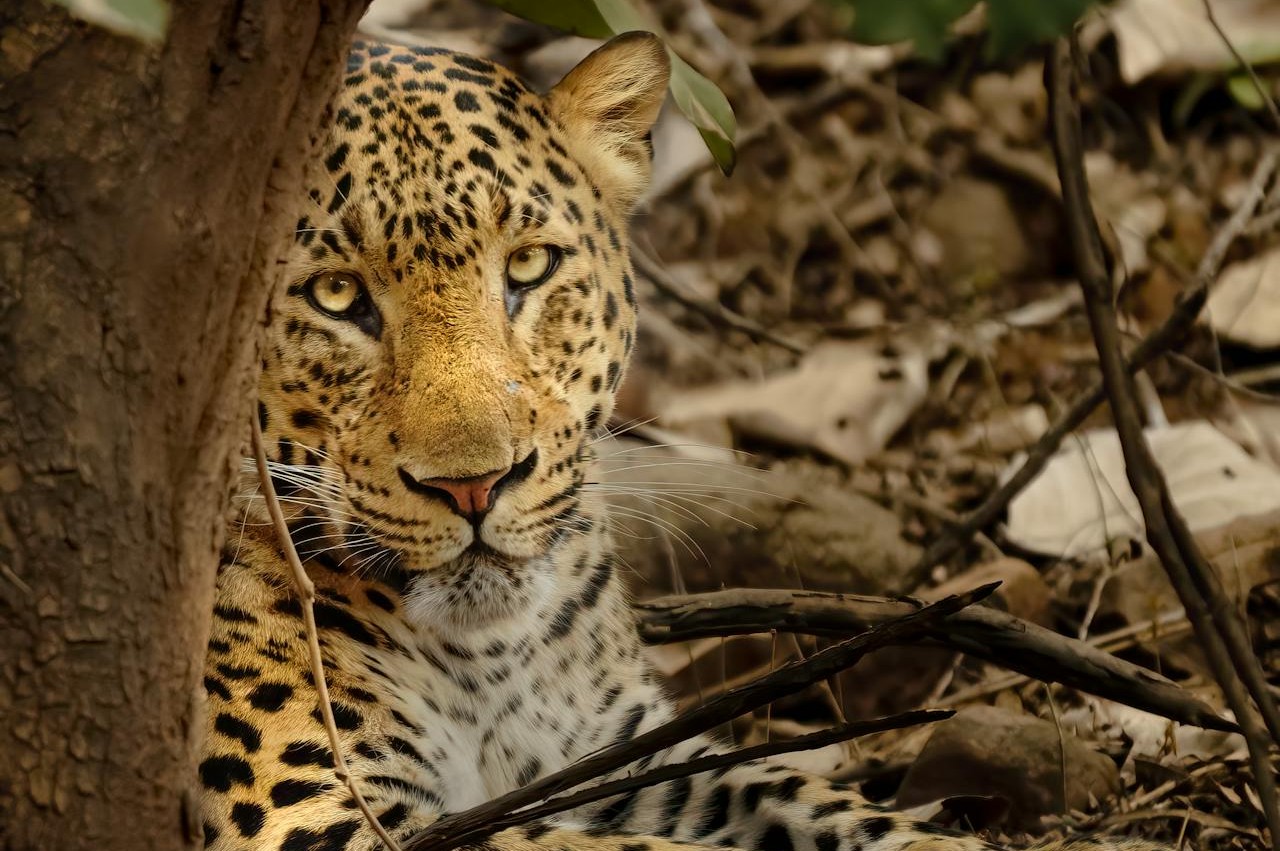
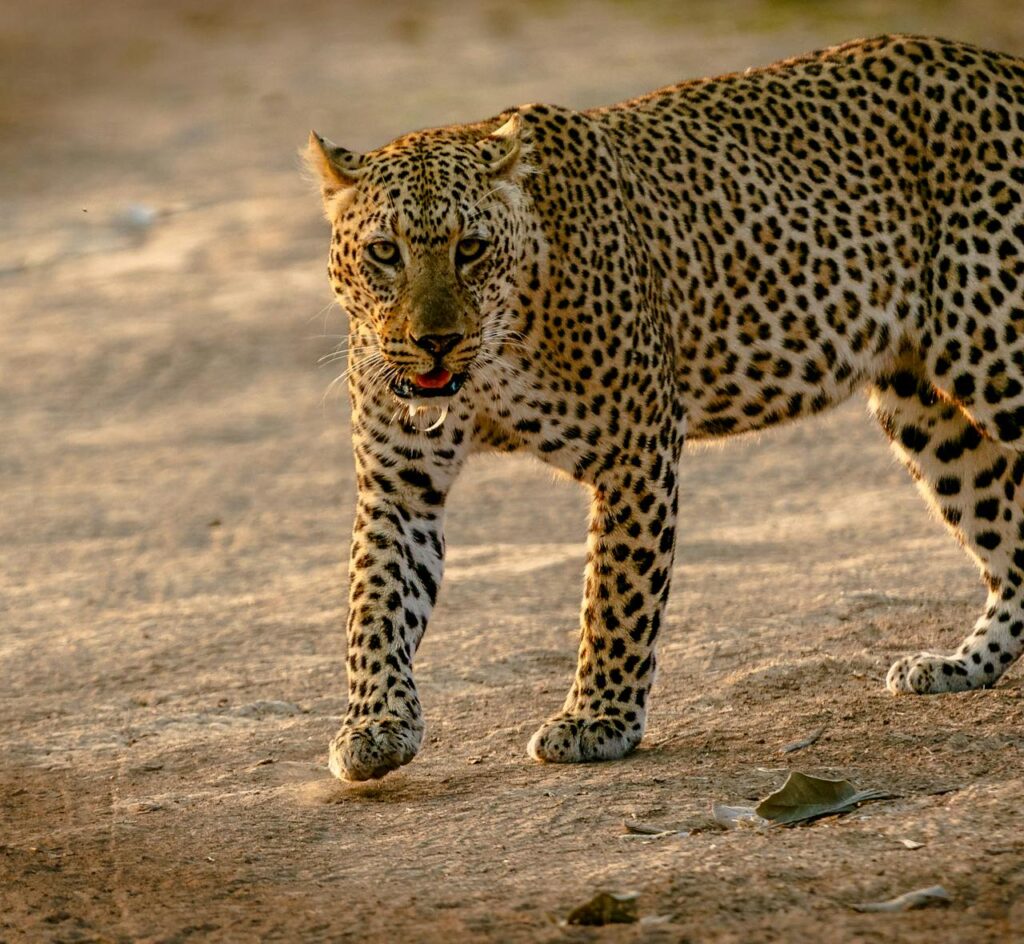
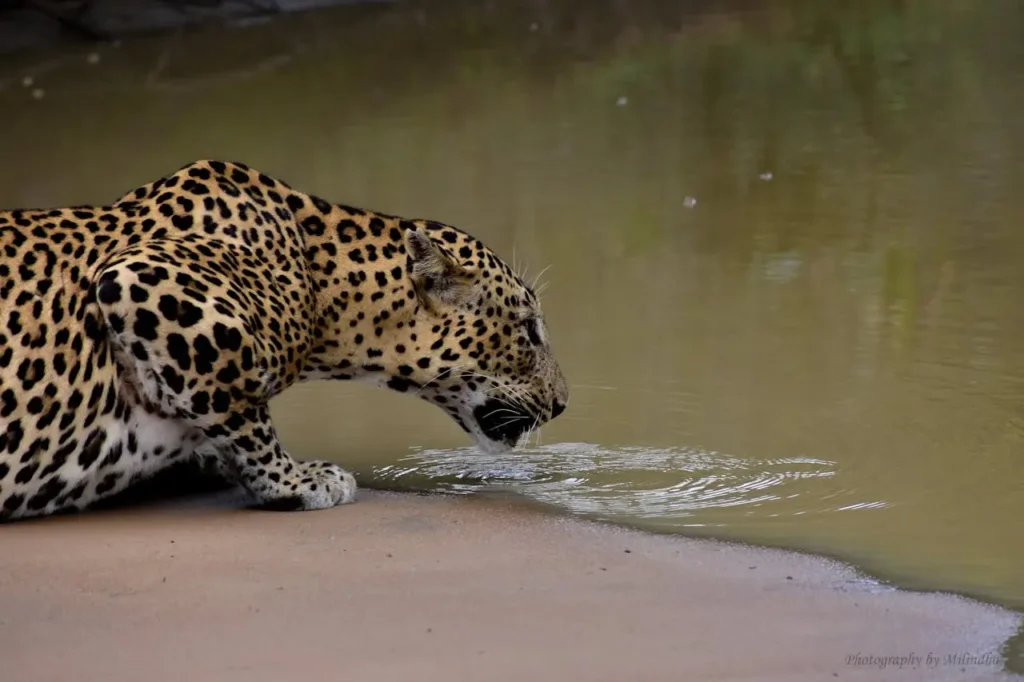
1. The Sri Lankan Leopard (Panthera pardus kotiya)
Yala holds the distinction of having the highest leopard density in the world, making it arguably the best place on Earth to spot this magnificent cat.
- Apex Predator: The Sri Lankan Leopard is a unique, endemic subspecies and the apex predator in the park, without competition from lions or tigers. This relative security often makes them slightly bolder than their counterparts in Africa or India.
- Territory and Rest: They prefer the dense scrub jungle but are most often sighted resting on large, sun-warmed granite rocks (known locally as kobis) or draped casually over tree branches during the mid-morning heat.
- Best Time: Dawn and dusk, when they are actively hunting and temperatures are cooler.
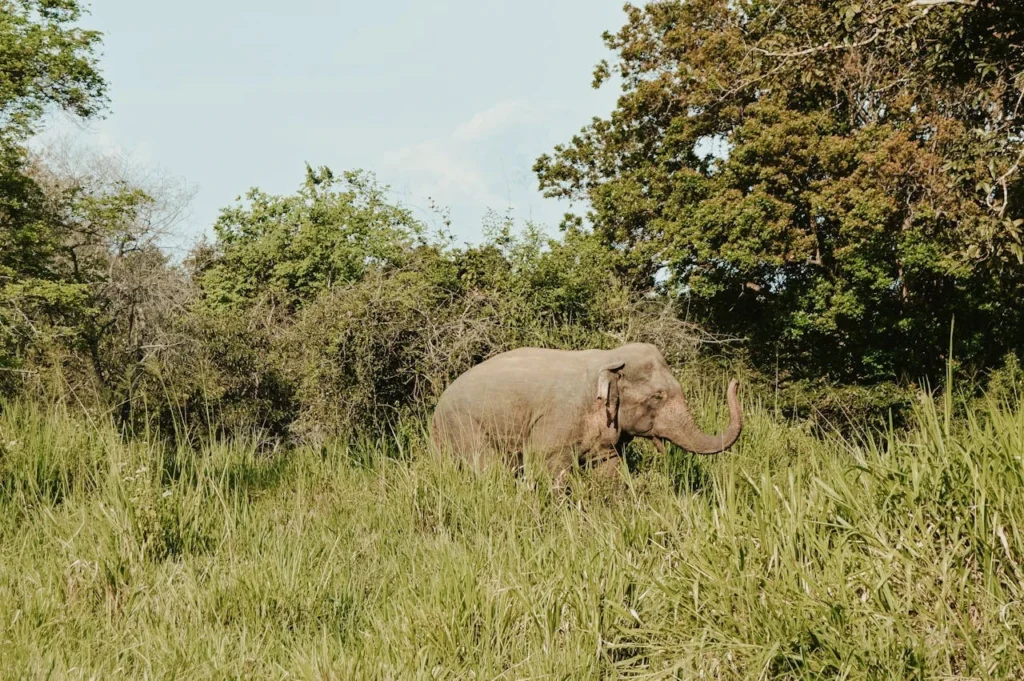
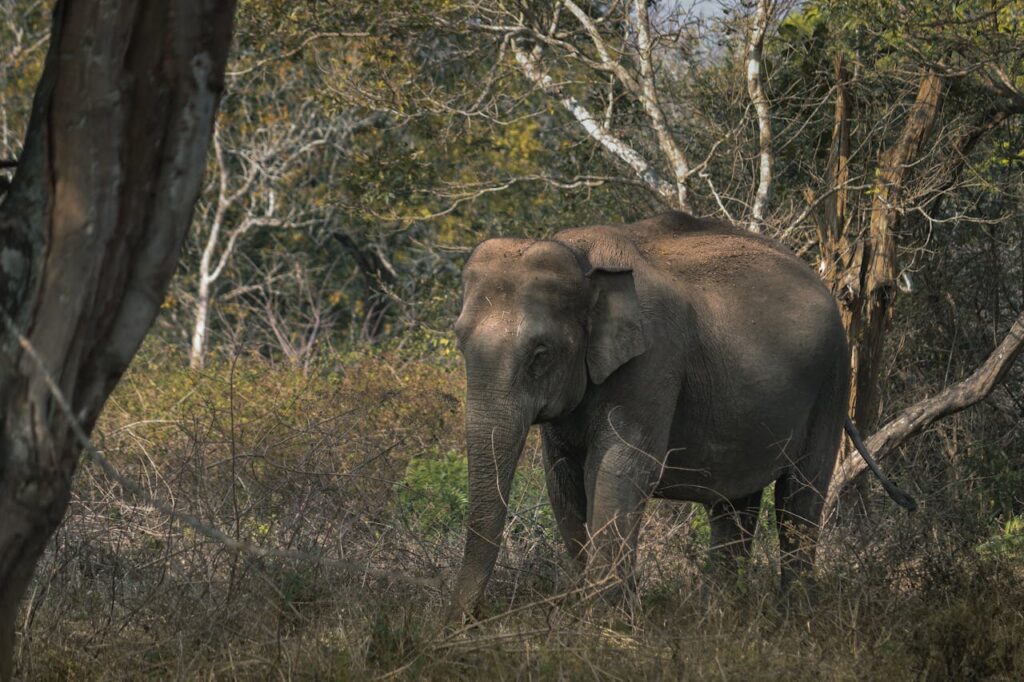
2. The Sri Lankan Elephant (Elephas maximus maximus)
The largest subspecies of the Asian elephant, these majestic animals are a common and heart-warming sight in Yala.
- Social Life: Elephants are typically seen in small family units led by a matriarch, or, during the dry season, gathering in large numbers around the park’s numerous waterholes and lagoons for vital cooling and hydration.
- Dietary Needs: An adult elephant consumes hundreds of kilograms of food and gallons of water daily, constantly browsing and grazing, which fundamentally shapes the park’s landscape.
- Solitary Bulls: You may also encounter large, solitary males, known as “loners,” patrolling their territory, sometimes showing characteristic ‘musth’ (a period of heightened testosterone).
- Interaction: Our guides always maintain a respectful and safe distance, allowing you to observe their fascinating social dynamics without disturbance.
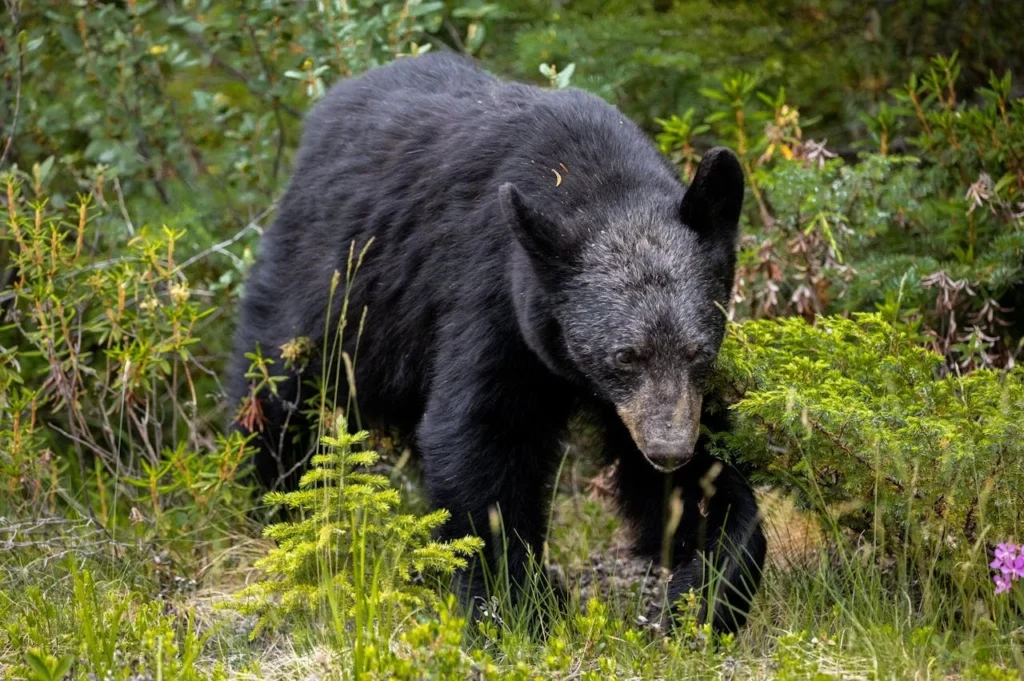
3. The Sri Lankan Sloth Bear (Melursus ursinus inornatus)
The Sloth Bear is the shyest and most challenging of the Big Three to spot, and a sighting is often considered a huge stroke of luck.
- A Unique Appearance: With their long, shaggy, black coats and distinctive white ‘V’ or ‘Y’ shape on their chest, they look unlike any other bear species.
- Dietary Habits: They specialize in insects termites and ants which they suck up using their unique mobile lips and lack of incisors. They are known to tear open termite mounds with their powerful claws. They also love fruit, making the period from May to July (the Palu fruit season) a prime time for potential sightings.
- Activity: They are primarily nocturnal, which is why early morning or late evening safaris offer the best chance. Listen for their loud snuffling sound as they forage.
Yala’s Interconnected Habitats: Where to Find the Wildlife
Yala is a mosaic of habitats, and understanding these environments is key to knowing where specific animals thrive.
1. The Thorny Scrub Jungle and Forest Patches
This dense vegetation covers the largest portion of the park (Block I and II) and is the primary hunting ground for the leopard.
- Leopard Habitat: Provides excellent cover for stalking and resting.
- Deer & Boar: Sambar and Spotted Deer find rich browsing here.
- Sloth Bear: Prefers these dense areas for sleeping during the day and seeking termite mounds.
2. Open Grasslands (Patanas)
These grassy plains are interspersed throughout the park, offering visibility and grazing opportunities.
- Elephant Grazing: Elephants frequently emerge here to graze on grasses and reeds, especially after the rains.
- Prey Hotspots: Attract vast herds of Spotted Deer, making them prime vantage points for predator activity.
3. Coastal Areas and Brackish Lagoons (Villus)
The eastern boundary of the park meets the Indian Ocean, creating a vital wetland ecosystem of lagoons, salt marshes, and tidal flats.
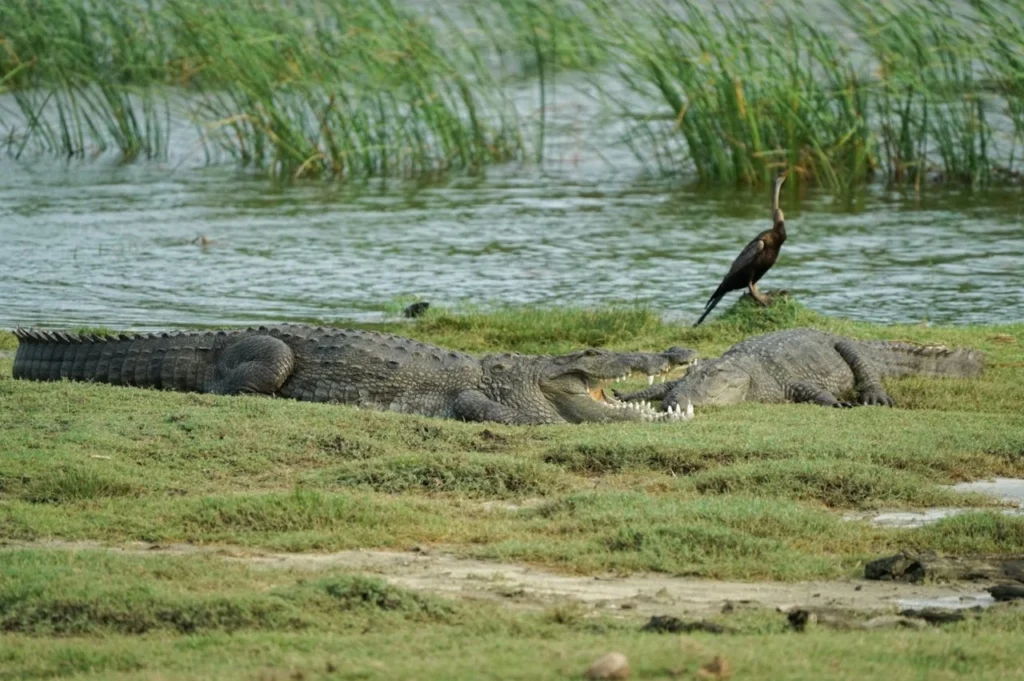
- Reptile Territory: This is the realm of the crocodiles, especially the Mugger Crocodile, which basks near the water’s edge.
- Aquatic Birds: Critical feeding and breeding grounds for storks, pelicans, and waders.
- Water Buffalos: Large herds of wild water buffalo (descendants of domesticated stock) cool themselves in the muddy water.
4. Granite Rock Outcrops (Kobis)
Scattered large rocks provide vital lookouts and resting spots.
- Leopard Lookouts: These elevated platforms are crucial for leopards to survey their territory, escape heat, and digest meals.
- Reptile Basking: Large lizards and snakes use these rocks to regulate their body temperature.
Beyond the Big Three: Other Key Mammals and Reptiles
Yala’s biodiversity extends far beyond its star attractions, offering a rich tapestry of life in every corner of the park.
The Ground Dwellers
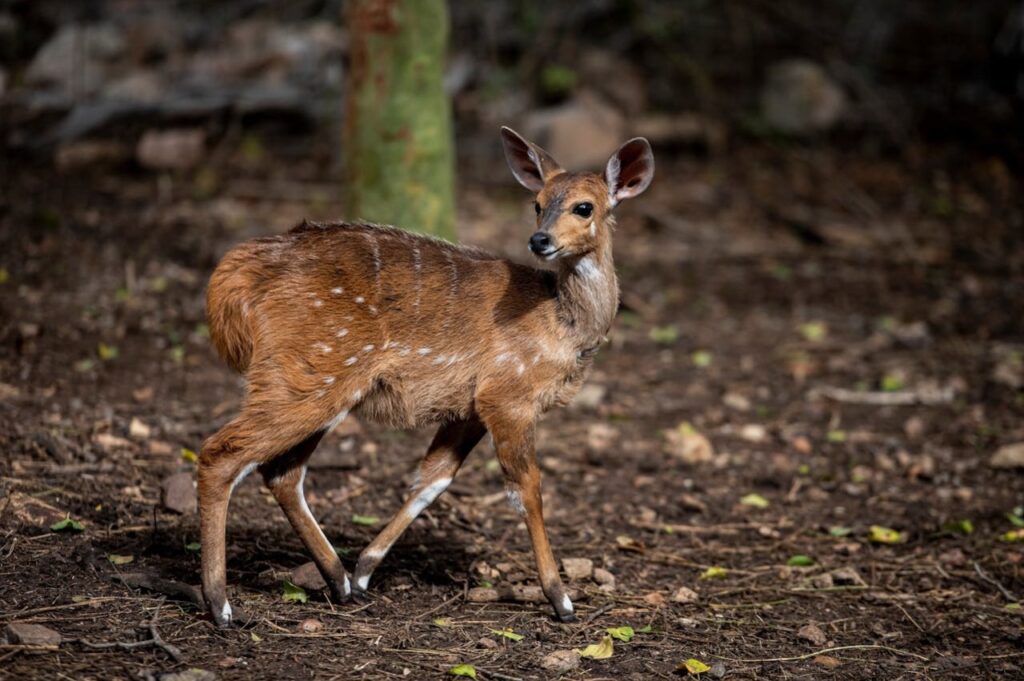
- Spotted Deer (Axis axis ceylonensis): The leopard’s main food source. These beautiful, graceful deer are abundant throughout the park and their presence, and especially their alarm calls, are the trackers’ best tool for locating predators.
- Sambar Deer (Rusa unicolor): Larger, darker, and more solitary than the Spotted Deer, often found grazing in the more forested areas and hills.
- Wild Boar (Sus scrofa): Frequent foragers often seen digging up roots and tubers, sometimes moving in large sounders (groups).
- Golden Jackal (Canis aureus): Often seen in pairs or small packs. They are opportunistic scavengers and highly territorial, frequently following leopards or bears at a distance to clean up leftovers.
- Grey Langur (Semnopithecus priam): These large, leaf-eating monkeys are common and their own loud alarm calls are another key sign of a lurking leopard.
- Striped-necked Mongoose: Fast-moving and often sighted darting across the jeep tracks in search of prey like rodents, snakes, or birds’ eggs.
The Water’s Edge & Reptiles
- Mugger Crocodile (Crocodylus palustris): The dominant freshwater reptile, often seen basking motionless on the banks of lagoons and waterholes. They are ambush predators and masters of disguise.
- Estuarine Crocodile (Crocodylus porosus): Also known as the Saltwater Crocodile, this species occasionally inhabits the brackish water areas near the coast. It is the world’s largest living reptile and a powerful, though less common, presence in Yala.
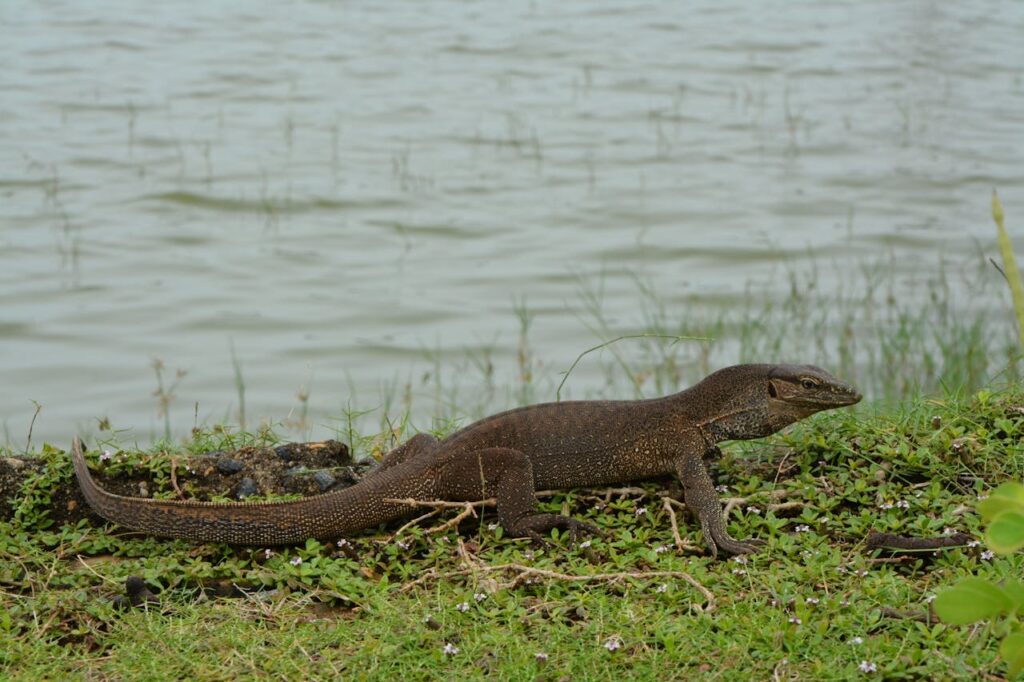
- Monitor Lizards (Varanus species): Both the land-based Bengal Monitor and the water-based Water Monitor Lizards are common. The Water Monitor can grow quite large and is often seen scavenging or swimming.
- Snakes: Yala is home to several species, including the Indian Python, though they are rarely seen by visitors.
The Art of the Safari: Tracking and Timing
A great Yala safari depends entirely on the skills of the tracker and guide. They rely on subtle clues to predict the location of elusive animals like the leopard and sloth bear.
How Guides Find the Leopard
| Tracking Method | What the Guide Looks For |
|---|---|
| Alarm Calls | The most reliable sign. Spotted Deer and Langur Monkeys emit sharp, continuous calls when they see a leopard. Peacocks also give specific warning shrieks. |
| Pugmarks & Scrapes | Fresh tracks (pugmarks) in the mud or sand are checked constantly. Male leopards often scrape the earth to mark territory. |
| Scats and Prey | Dried droppings (scats) or the remains of a fresh kill (often dragged up a tree) indicate a recent presence. |
| Jeep Positioning | Experienced guides understand the park’s topography, knowing which roads animals use as corridors and which kobis are favorite resting spots at certain times of day. |
Best Times to Visit
The time of day and the time of year dramatically affect sightings:
- Best Time of Day: Early morning (6:00 AM – 9:00 AM) and late afternoon (3:30 PM – 6:00 PM) are crucial. Predators are active, and the heat is bearable.
- Dry Season (February – June): Animals congregate near the central water sources, making sightings easier and more reliable.
- Wet Season (September – December): The vegetation is lush, water is plentiful everywhere, and animals are more dispersed, making sightings harder but the landscape more beautiful.
Yala’s Avian Wonders: A Birder’s Paradise
With over 215 recorded species of birds, Yala is a critical stop on any serious birder’s itinerary. Its location along a major migratory route means the park hosts both resident and seasonal visitors.
Key Bird Groups
| Bird Group | Key Species | Details |
|---|---|---|
| Water Birds | Black-necked Stork, Lesser Adjutant, Painted Stork, Pelican, Ibis | Found in and around the lagoons and Villus (waterholes), often wading for fish and invertebrates. |
| Endemic Birds | Sri Lanka Junglefowl (Gallus lafayettii), Sri Lanka Grey Hornbill | The national bird of Sri Lanka, the Junglefowl is frequently seen near scrub patches. |
| Raptors | White-bellied Sea Eagle, Changeable Hawk-Eagle, Crested Serpent Eagle | Can be seen soaring high above the canopy or perched overlooking the water, searching for prey. |
| Common Sights | Indian Peafowl (Pavo cristatus), Bee-eaters, Kingfishers | Peacocks are a constant and flamboyant presence, with males displaying their magnificent tail feathers frequently. Brightly colored Kingfishers are found near water. |
Conservation Status and Threats to Yala’s Wildlife
Yala National Park is a protected area, but the wildlife here still faces significant challenges, primarily linked to human activity on the park’s boundaries.
1. Habitat Loss and Fragmentation
As the human population grows around the park, the natural corridors animals use to move between Yala and other protected areas are being built upon. This fragmentation isolates populations, making them less genetically healthy and more vulnerable.
2. Human-Elephant Conflict (HEC)
This is the most significant threat to the Sri Lankan Elephant population. As elephants search for food outside the park, they frequently encounter human settlements and farms, leading to conflict that results in loss of life on both sides.
3. Poaching and Illegal Activities
Despite strict protection, low-level poaching for meat and occasionally for animal parts remains a threat. Monitoring and anti-poaching units are essential to deter these activities.
Our Commitment to Conservation
By choosing responsible safari operators like Leopard Yala, you directly support the local economy and help fund the conservation efforts that keep this incredible ecosystem intact. We adhere strictly to park rules, prioritize animal well-being, and educate our guests on low-impact viewing practices.
The rich density of species within a relatively small viewing area makes every minute of your Yala safari an opportunity for discovery. Remember to bring your binoculars, maintain silence, and let the magnificent animals of Yala guide your adventure.