

Call Us: Booking Support
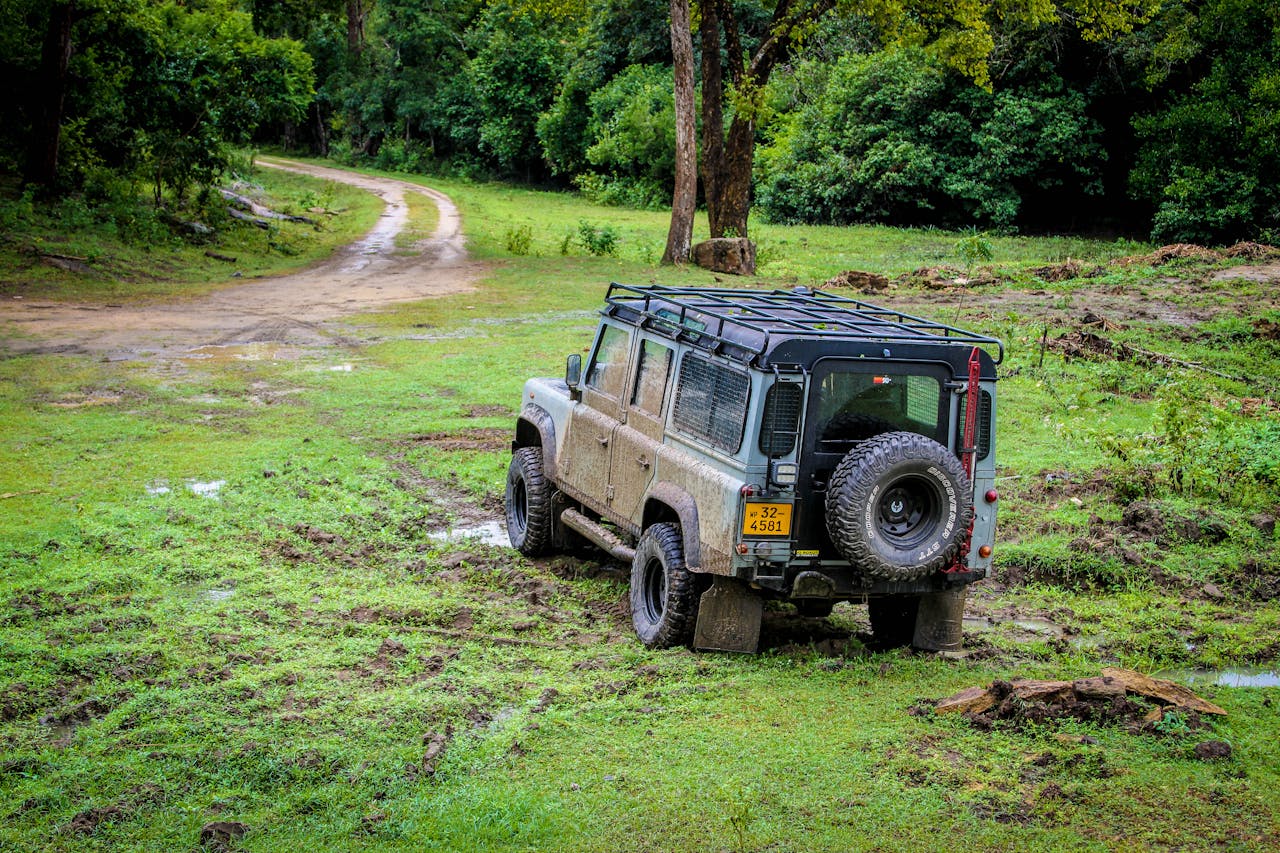
At Leopard Yala, we believe that witnessing the majestic wildlife of Yala National Park shouldn’t require a premium budget. Our core mission is to make the world-class Yala Safari experience accessible to every traveler, establishing us as the most affordable and budget-friendly Yala safari provider in Sri Lanka.
Committed to Value, Not Compromise
We cut out the unnecessary costs and focus solely on what matters: delivering a high-quality, memorable wildlife encounter.
- Best Value Safaris: We offer transparent, all-inclusive pricing designed to give you the lowest possible rate without sacrificing safety or experience quality. We are perfect for backpackers, families, and budget-conscious adventurers.
- Expert Local Tracking: Our highly experienced local drivers and guides are dedicated experts in Yala’s terrain and animal behavior. We specialize in finding the elusive Sri Lankan leopard, ensuring your money is spent on the highest chance of a magnificent sighting.
- Safety and Comfort: Despite being budget-friendly, your safety is our priority. Our safari jeeps are well-maintained, equipped for the rough terrain, and strictly adhere to all park regulations.
Our Ethical & Operational Edge
We maintain our low prices not by cutting corners on quality, but by running highly efficient, direct-booking operations and prioritizing ethical conduct to protect the precious ecosystem we operate within.
- Responsible Conduct: Our guides adhere to a strict Code of Conduct: we never chase animals, we avoid overcrowding sightings, and we always maintain a respectful distance to minimize disturbance to the wildlife, especially sensitive species like the Leopard and Sloth Bear.
- Support for the Local Community: By choosing us, you directly support local drivers, guides, and businesses in the surrounding villages. We ensure that your tourism dollars contribute directly to the communities that rely on and help protect Yala National Park.
- Sustainable Operations: We operate a “Leave No Trace” policy. All waste is removed from the park, and we actively discourage single-use plastics by providing reusable water solutions for our guests.
Safari Packages: See the Big Three for Less
Whether you choose our half-day blitz or our full-day immersive experience, our packages are priced to ensure maximum wildlife exposure for minimum expense. We guarantee the best opportunity to spot Yala’s famous Big Three: the Leopard, the Elephant, and the Sloth Bear.
The Complete Yala Safari Guide: Deepening Your Adventure
1. Yala’s Unique Ecosystem: A World-Class Habitat
Yala National Park, a mosaic of diverse habitats, offers one of the richest wildlife experiences in Asia. Spanning nearly 1,000 square kilometers, this park is not just known for its leopards, but for its complex web of life.
The Landscape Mosaic
The park is composed of five main blocks, though only Block I and parts of Blocks III, IV, and V are open to the public. Each block offers a distinct environment:
- Dry Monsoon Forest: Dense shrubland where most of the leopards hunt and rest.
- Scrub Jungle: The primary habitat for spotted deer and wild buffalo.
- Grasslands (Patanas): Open areas ideal for spotting elephants and diverse birdlife.
- Lagoons and Waterholes (Villus): Crucial water sources where animals congregate, offering the best viewing opportunities during the dry season (February to June).
- Coastal Belt: The park borders the Indian Ocean, providing a unique mix of terrestrial and marine biodiversity, often featuring crocodiles and marine birds.
Biodiversity Spotlight
Yala is categorized into an important bird area (IBA) and a terrestrial protected area. Over 44 species of mammals and 215 species of birds call Yala home.
| Wildlife Category | Key Species to Spot |
|---|---|
| Mammals | Sri Lankan Elephant, Sloth Bear, Spotted Deer, Wild Boar, Sambar Deer, Water Buffalo, Mongoose, Jackal. |
| Reptiles | Mugger Crocodile, Estuarine Crocodile, Star Tortoise, Fan-Throated Lizard. |
| Birds | Black-necked Stork, Lesser Adjutant, Painted Stork, Sri Lanka Junglefowl (Endemic), Indian Peafowl. |
2. The Art of Tracking: Finding the Elusive Leopard
Yala boasts the world’s highest known density of leopards, making it the premier destination for viewing the Panthera pardus kotiya, a subspecies endemic to Sri Lanka. Yet, leopards are masters of camouflage. Our success rate is driven by meticulous, ethical tracking.
Our Expert Methodology
Our guides are local to the Yala region and possess generational knowledge of animal behavior and movement patterns. This process includes:
- Reading the Signs: Identifying subtle clues like pugmarks (footprints), fresh scat, tree scratches, and disturbed vegetation. A knowledgeable tracker can determine the approximate size, age, and travel direction of the animal just from a print in the dust.
- Alarm Calls: Listening to the jungle’s radio—the alarm calls of prey species. The sharp, persistent bark of a Spotted Deer or the distinct cry of a Langur monkey often signals the immediate presence of a predator.
- Radio Communication (Ethical Use): We use two-way radio only for essential safety and to share critical confirmed sightings among our small network of trusted, ethical operators, preventing unnecessary speeding or vehicle clustering.
- Patience and Positioning: The most effective tracking technique is often simply waiting quietly near known territories, strategically positioning the jeep to minimize noise and disturbance while maximizing visibility.
Understanding the Big Three
A. The Sri Lankan Leopard (Panthera pardus kotiya)
- Behavior: Mostly solitary and crepuscular (active at dawn and dusk). They often rest on large rocks or low branches during the day to avoid the heat.
- Best Time to Spot: Early morning (6:00 AM – 8:00 AM) or late afternoon (4:00 PM – 6:00 PM).
- Why Yala is Unique: The scarcity of other large predators (like lions or tigers) means the leopard is at the top of the food chain here, allowing it to be slightly bolder than its African counterparts.
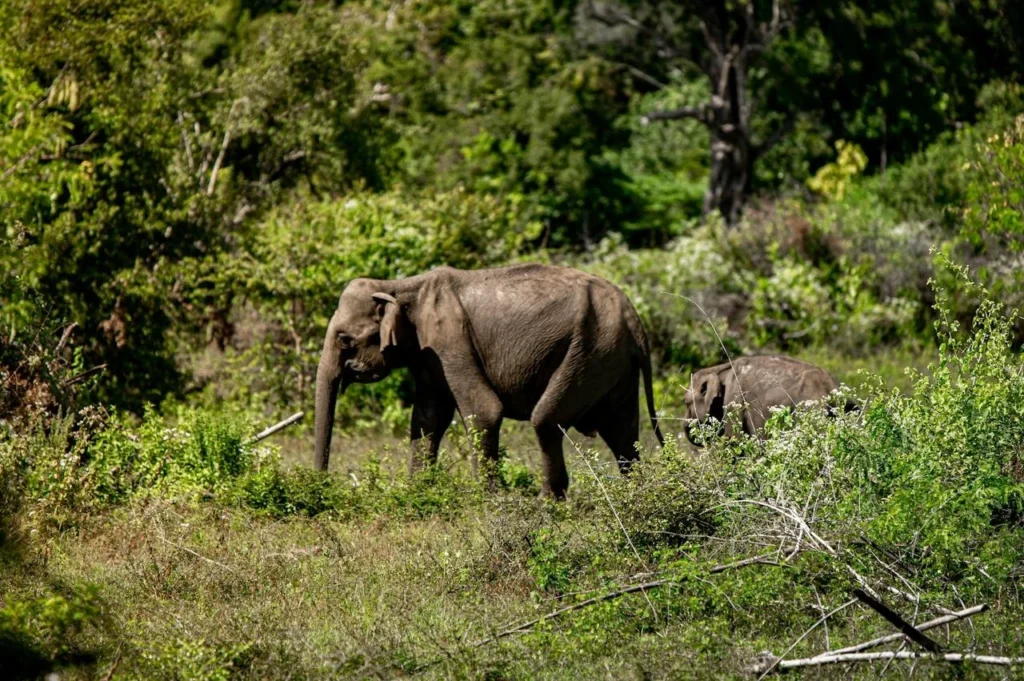
B. The Sri Lankan Elephant (Elephas maximus maximus)
- Behavior: Often seen in large family herds or solitary bulls. They are frequently found near waterholes and lagoons, bathing and drinking.
- Conservation Note: Despite their size, they must be respected. Our jeeps maintain a safe, non-threatening distance, especially around calves or during the mating season.
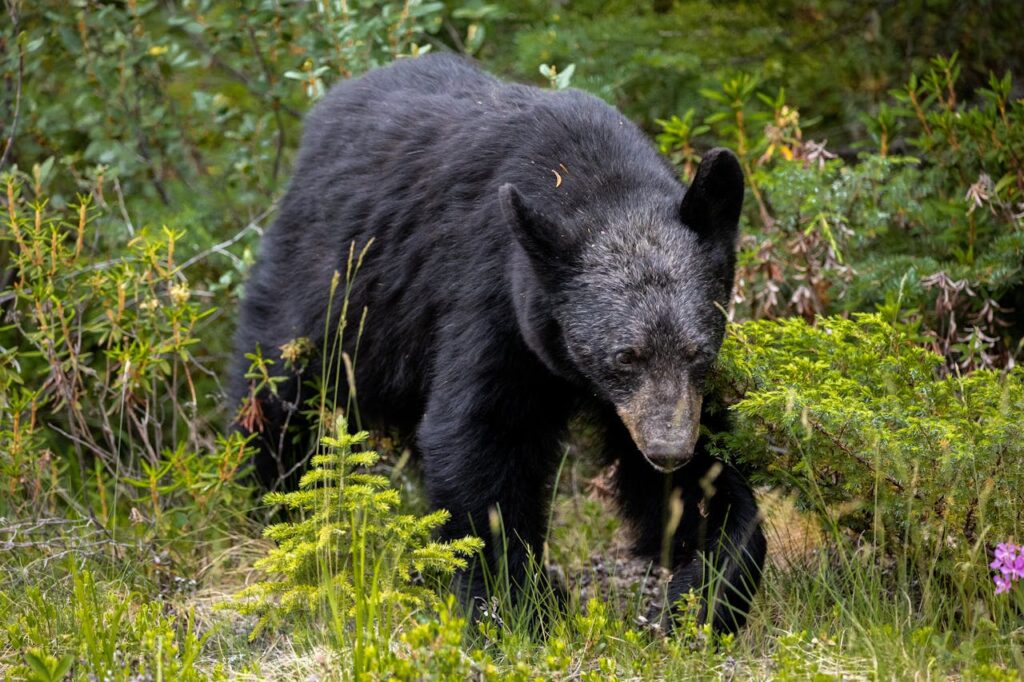
C. The Sri Lankan Sloth Bear (Melursus ursinus inornatus)
- Behavior: The most elusive of the Big Three, the Sloth Bear is a nocturnal, shaggy creature known for its powerful claws used to tear open termite mounds.
- Best Time to Spot: Visibility is highest during the Palu season (May to July) when they are attracted to the fallen fruits, moving into open areas to feed. Sighting a bear is considered a rare highlight.
3. Responsible Tourism: Our Commitment to Conservation
Our budget model is intrinsically linked to our ethical stance. By maximizing efficiency and prioritizing local partnerships, we ensure that a greater portion of the fare goes directly towards maintaining livelihoods and supporting the park, rather than international overhead.
Code of Conduct for Guests
We ask all guests to partner with us in protecting this environment:
- Keep Quiet: Loud noises and talking can stress animals and disturb their natural behavior.
- Stay in the Jeep: Alighting from the vehicle is strictly prohibited outside of designated rest areas. The jeeps act as mobile hides, keeping you safe and preventing disturbance.
- No Feeding: Never feed any animal. This disrupts their dietary habits and creates dependency on humans.
- No Littering: Adhere strictly to our “Leave No Trace” policy. Carry all waste with you until you exit the park.
- Photography Etiquette: Avoid flash photography, especially at dusk, as it can temporarily blind and disorient wildlife.
Supporting Local Economy and Safety
Our entire operation is run by people from the local Yala area, ensuring economic stability:
- Direct Employment: We provide fair wages to local jeep drivers, trackers, and support staff.
- Regulated Safety: All our vehicles are equipped with essential safety features, including two-way radios for emergency contact and communication with park officials. We operate only with licensed, fully insured vehicles.
4. Practical Safari Visitor’s Handbook
When to Visit Yala?
The park is generally open year-round, but wildlife viewing conditions vary:
| Season | Months | Wildlife Visibility | Why Visit? |
|---|---|---|---|
| High Season / Dry Season | February to June | Excellent (Animals gather near water) | Best chance to see leopards and elephants near waterholes. Warm and dry weather. |
| Shoulder Season | January, July, August | Good | Fewer crowds, pleasant temperatures, but sightings can be less predictable. |
| Monsoon / Potential Closure | September to November | Variable (Park may close briefly) | Lush landscapes, excellent for bird watching, but rain can affect road conditions. |
Note: The park typically closes for a short period (usually late September to early November) for park maintenance and to allow the animals a break from tourism. Please check the current status before booking.
What to Bring for Your Yala Safari
- Clothing: Light, earth-toned clothing (greens, browns, khaki) to blend in. A light jacket for the cool early morning start.
- Footwear: Comfortable, closed shoes (though you remain in the jeep, they are practical).
- Essentials: Sunscreen, a wide-brimmed hat, insect repellent.
- Equipment:
- Binoculars (Essential!): A quality pair is critical for distant viewing of shy animals.
- Camera: A telephoto or zoom lens (300mm minimum recommended) is highly useful.
- Water: We provide ample reusable water, but bringing your own reusable bottle is always encouraged.
Choose Leopard Yala for an incredible adventure that respects your wallet and delivers world-class wildlife moments.